
Tag: Global
Global Region News
All the Latest News from around the Globe from the casino industry
Tabcorp Under Scrutiny: What It Means for Australian Gamblers
Big news in the Australian gambling world. Tabcorp, a major player in the local betting scene, is currently facing a serious investigation by the Australian Transaction Reports and Analysis Centre (AUSTRAC). This is all about ensuring the company is doing its part to fight money laundering and terrorism financing.
Why This Investigation Matters to You
So, why should you, as someone who enjoys a punt, care about this? Well, it highlights the increasing focus on responsible gambling and financial integrity within the industry. When major operators like Tabcorp are under the microscope, it signals a drive for greater transparency and tighter controls across the board. AUSTRAC is looking into whether Tabcorp has adequately identified, managed, and mitigated the risks associated with money laundering and terrorism financing. This includes checking if their systems and processes for monitoring customer activity are up to scratch.
The Impact on Tabcorp and the Industry
This investigation has already had a significant impact on Tabcorp’s share price, showing how seriously the market takes these regulatory concerns. While Tabcorp executives have stated their commitment to cooperating with AUSTRAC and strengthening their compliance systems, the situation is still developing. It’s worth noting that this isn’t the first time Tabcorp has faced regulatory attention in this area. Past issues have resulted in substantial fines, underscoring the importance of robust anti-money laundering measures.
What This Could Mean for the Future
Ratings agency Fitch has indicated that while Tabcorp’s credit rating isn’t immediately affected, any enforcement action could lead to financial and governance pressures. This suggests that costs associated with compliance, legal fees, and potential penalties could rise for the company. This case is also part of a broader trend of increased regulatory scrutiny on Australian betting and casino operators. Other major companies have also been in AUSTRAC’s sights, indicating a sector-wide push for higher standards. Ultimately, this investigation serves as a reminder that the gambling industry operates under strict rules and that regulators are actively ensuring these rules are followed. For consumers, this means a continued focus on responsible practices and a more secure environment for your gambling activities.
What First Nations Leaders Want You to Know About Alberta’s Online Gambling Rollout
Alberta is gearing up for a significant shift in its gambling landscape with the launch of a regulated online market. While this means more options for players, it’s also raising some important questions, especially for Indigenous communities and the casinos they operate.
The New Digital Frontier
Starting July 13th, Alberta will officially allow private companies to offer sports betting and casino games online. The aim is to bring a large chunk of currently unregulated betting activity into a secure, official framework. The province is setting aside a portion of the revenue, specifically two percent of gross iGaming revenue, to go towards First Nations groups. This is being framed as a step towards economic reconciliation.
Concerns Over Community Impact
However, some First Nations leaders are expressing serious concerns. They worry that this move towards online gambling might not be enough to offset potential losses for Indigenous-owned casinos. These casinos are more than just entertainment venues; they are vital sources of funding for essential community programs. We’re talking about support for housing, education, healthcare, services for seniors, and various charitable causes. Leaders like Trevor Mercredi, grand chief of Treaty 8 First Nations, highlight the uncertainty many communities feel. While the idea of revenue sharing is acknowledged, the long-term impact on existing community programs remains a big question mark. The current proposal of two percent is being closely examined to see if it truly compensates for any dip in revenue from physical casinos.
Indigenous Operators Entering the Online Space
It’s not all about external companies, though. Some casino operators with ties to First Nations are also preparing to get involved in the online market. Companies like Pure Casino Entertainment Limited Partnership, backed by several First Nations, have registered to operate online. There’s also River Cree iGaming, seemingly connected to the River Cree Resort and Casino run by the Enoch Cree Nation. The hope is that these operations can potentially bridge the gap between their physical casino presence and new online offerings.
Lessons from Ontario
Alberta’s move mirrors what happened in Ontario, which opened its regulated iGaming market a couple of years ago. Ontario also has a revenue-sharing model with First Nations, though concerns and even legal actions have arisen there regarding consultation and the distribution of funds. This situation in Ontario is definitely on the radar for many in Alberta, adding to their calls for thorough discussion.
What’s Next?
As the July launch date approaches, the conversation around consultation, economic effects, and fair revenue sharing is set to continue. The key takeaway for consumers is that while the online gambling world is expanding, the impact on existing community structures is a significant part of the ongoing dialogue. It’s a complex situation, and ensuring that all parties have a voice in the process is crucial.
You Aren’t Always Getting the High RTP Slot Game Version at Your Favourite Casinos
When you play a slot game, you expect a fair and mathematically verified chance to win. Many players assume that a slot game has a single, fixed Return to Player (RTP) percentage, permanently set by its software developer. For instance, if NetEnt’s Starburst is widely known for its 96.09% RTP, it’s natural to assume this figure applies wherever you play the game. However, this is not always the case.
To understand why, let’s first clarify what RTP means. RTP is a theoretical percentage that indicates how much of all wagered money a slot machine will pay back to players over time. For example, if you wager $100 on a slot game with an established RTP of 96%, the game is mathematically designed to return $96 to players. It’s crucial to remember that this return is purely theoretical and is calculated over millions of spins; it’s a long-term average and does not guarantee short-term individual results. In a single session, you could win big or lose your entire bankroll.
The critical issue for modern online slot gaming is that, due to flexible software configurations, game studios now ship their most popular titles with variable RTP ranges. This means an online casino can choose whether to offer you the high, medium, or low payout version of the exact same slot game. A slight reduction in the base RTP—say, from 96% down to 91%—dramatically increases the casino’s house edge, causing your playing budget to drain far faster than you might expect.
In this comprehensive guide, we will pull back the curtain on variable RTPs, explain why casinos alter these settings, and show you exactly how to verify the real, active RTP on your screen before you spin, ensuring you’re always getting the best possible theoretical return.
Understanding RTP: The Foundation of Slot Gaming Returns
Before exploring how online casinos manipulate payout percentages, it is essential to establish a firm understanding of what Return to Player (RTP) actually means and how it influences your gameplay. At its core, RTP is the mathematical inverse of the house edge. If a slot game has a certified RTP of 97%, the house edge is exactly 3%. This means that over an infinite timeline of wagering, the casino expects to retain 3% of all action, while distributing the remaining 97% back to the betting pool in the form of line wins, bonus features, and progressive jackpots.
However, the most common mistake made by casual slot players is misunderstanding the relationship between RTP and short-term volatility. The theoretical RTP of a slot is calculated across a massive cycle of spins—often ranging from 10 million to 10 billion game rounds. This long-term scale is required to satisfy the Law of Large Numbers, ensuring that the random variations of the game’s Random Number Generator (RNG) eventually smooth out into the exact targeted percentage.
In a typical gaming session consisting of 500 or 1,000 spins, the actual return you experience will vary wildly from the theoretical RTP. You may hit a high-paying free spins round early on and experience an actual session return of 500%. Conversely, you might experience a long dry spell where your session return is closer to 30%. This variance is controlled by the slot’s volatility (or variance) rating. High-volatility slots pay out less frequently but offer larger maximum wins, while low-volatility slots offer frequent, smaller payouts.
Because of this high short-term volatility, many players fail to notice when a casino has quietly swapped a high-RTP version of a slot for a lower one. A player losing their bankroll on a 91% RTP game will simply chalk it up to “bad luck” or “high volatility,” unaware that the math of the game was heavily stacked against them from the very first spin. Over weeks, months, and thousands of spins, however, playing a downgraded RTP version will inevitably result in fewer winning sessions, shorter play times, and a rapidly depleting bankroll. This is why knowing how to verify the active RTP of your game is the single most important skill a modern slot player can possess.
How to Verify a Slot Game’s RTP: Your Step-by-Step Guide
When it comes to verifying the actual mathematical configuration of an online slot, you cannot rely on memory, marketing banners, or general review sites. You must learn how to audit the game in real time. Fortunately, regulatory compliance rules require casinos to make this information accessible, though it is often hidden behind layers of menus. Below is a step-by-step guide to finding the true, active RTP of any slot game, ordered from the most reliable method to secondary verification sources.
The Most Reliable Source: In-Game Information
The single most trustworthy, accurate, and legally binding source for a slot’s active RTP is the in-game help file or paytable screen. This file is loaded directly from the game provider’s servers alongside the game itself, meaning it must reflect the exact software version currently running on the casino’s platform. If a casino has selected a lower RTP build, the game provider is legally required to update the in-game help documentation to show that specific number.
To find this information, follow these steps when you load any online slot:
1. Open the Game: Launch the slot in either real-money or demo mode. The RTP configuration remains identical across both modes on licensed platforms.

2. Locate the Interface Menu: Look for the settings panel. This is usually represented by a gear icon, a hamburger menu (three horizontal lines), an “i” (information) button, or a question mark (?) icon located in the bottom corners of the game screen.

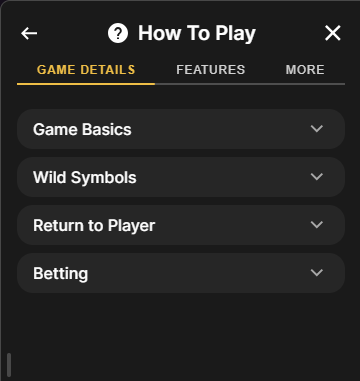
3. Differentiate Between Paytable and Help Rules: Do not just look at the standard paytable, which displays symbol payouts and bonus explanations. You need the comprehensive “Help” or “Game Rules” file, which typically opens in a separate browser window or a scrolling text overlay.
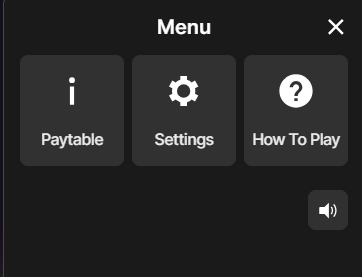
4. Search for the RTP: Scroll through the text or use your browser’s search function (Ctrl+F or Cmd+F) and type “RTP” or “Return to Player.”
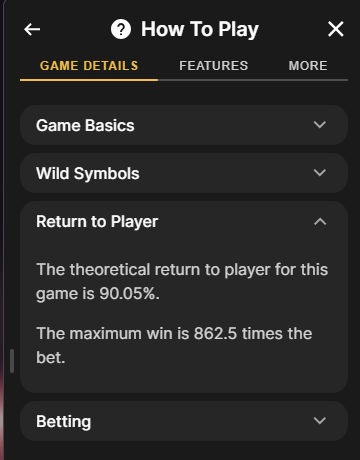
5. Verify the Percentage: You will find a sentence resembling: “The theoretical return to player for this game is 96.21%.” If you see a number like 94.20% or 91.15% instead of the advertised industry maximum, you are playing a downgraded version.
Consulting the Game Provider’s Official Page
If you want to know what the slot *should* be paying at its absolute peak performance, your next step is to visit the official website of the software developer who created the game. Major studios like NetEnt, Pragmatic Play, Play’n GO, and Relax Gaming host detailed game specification sheets for their entire portfolios.
On these developer portals, you can look up a game’s profile to find its maximum designed RTP, along with its volatility rating, hit frequency, and maximum win potential. While this page will show you the optimal configuration of the game, remember that it does not guarantee your chosen casino has purchased or installed the highest-paying version. It merely serves as your baseline benchmark. If the provider’s official page states that a slot has a maximum RTP of 96.50%, but your casino’s in-game help file lists 94.50%, you know immediately that the casino has selected a lower-tier build.
Trusting Third-Party Certifications and Databases
To maintain their operating licenses in highly regulated markets such as the United Kingdom, Malta, Gibraltar, and various North American states, online casinos must submit their games to independent, accredited testing laboratories. Renowned agencies such as eCOGRA (eCommerce Online Gaming Regulation and Assurance), GLI (Gaming Laboratories International), and iTech Labs perform rigorous audits of the random number generators and actual payout percentages of online casinos.
Many reputable casinos display the trust seals of these testing labs on their website footers. By clicking these logos, you can often view certified, real-world RTP audits for the casino’s entire game library over a specific month or quarter. Additionally, you can cross-reference slot statistics using reliable, independent gambling databases and slot review portals. However, always treat database listings as secondary indicators. If there is ever a discrepancy between a database, a review site, and your active in-game help file, the active in-game help file is the only figure that represents your current game session.
Why You Might Not Be Getting the High-RTP Version
Now that you know how to find the RTP of a slot, we must address the most pressing question: why does the same game exist in multiple versions? In the early days of online gambling, game developers designed a slot with a single, unalterable math profile. If a casino wanted to host a game, it had to accept the RTP set by the developer.
In recent years, however, the business model of online slot development has shifted dramatically. Under pressure from casino operators who wanted more control over their profit margins, game studios began developing and shipping their games with multiple RTP tiers. Today, when a studio launches a blockbuster slot, they do not just release one game file; they release a package containing several different RTP configurations.
For example, a premium slot might be delivered to casinos with five distinct options: a high option (~96.5%), a medium-high option (~94.5%), a medium option (~92.0%), a low option (~90.0%), and an ultra-low option (~88.0% or lower). The visual assets, the sounds, the bonus features, and the hit frequencies remain completely identical across all versions. The only thing that changes is the underlying mathematical distribution of payouts. The player cannot see or feel any difference in gameplay; the slot simply awards slightly fewer or smaller wins over time, allowing the casino to retain a larger share of the total wagers.
To illustrate just how widespread and significant these differences are, let us look at real-world examples from the industry’s most prominent game studios. The table below details the variable RTP ranges that popular slot games are shipped with, demonstrating how much value you could be losing depending on where you choose to play.
| Software Provider | Slot Game Title | Maximum RTP (High) | Medium RTP Tier | Low RTP Tier | Minimum RTP Tier |
|---|---|---|---|---|---|
| Play’n GO | Book of Dead | 96.21% | 94.25% | 91.25% | 87.25% / 84.25% |
| Pragmatic Play | Gates of Olympus | 96.50% | 95.51% | 94.50% | 89.51% |
| NetEnt | Starburst | 96.09% | 95.05% | 94.05% | 92.05% / 90.05% |
| Red Tiger Gaming | Gonzo’s Quest Megaways | 96.00% | 94.70% | 92.70% | 90.70% |
| Play’n GO | Reactoonz | 96.51% | 94.51% | 91.51% | 87.51% / 84.51% |
As the table clearly shows, the difference between the highest and lowest tiers is staggering. If you play Play’n GO’s iconic Book of Dead at a casino that uses the maximum 96.21% version, the house edge is a reasonable 3.79%. However, if you play the same game at a casino that has opted for the 87.25% version, the house edge climbs to 12.75%—more than triple the original rate! Your bankroll will deplete three times faster on the lower-tier version, resulting in a significantly degraded entertainment experience and virtually destroying your chances of walking away with a profit.
The Casino’s Choice: Why Lower RTP Versions Exist
It is easy to look at these variable RTP ranges and label casino operators as greedy. While profit-seeking is obviously a primary driver, the reality of the situation is more complex. The decision to run lower RTP versions of slots is often a direct response to the economic and regulatory realities of running a modern online casino.
Over the past decade, the global online gambling market has transitioned from a largely unregulated “Wild West” to a highly taxed, heavily regulated landscape. In countries like the United Kingdom, Sweden, Germany, and various states in the US and Canada, operators must pay high licensing fees, strict compliance penalties, and substantial point-of-consumption taxes. For example, Germany’s interstate treaty imposes a hefty 5.3% tax on every single slot wager (not just on net revenue). To survive in such low-margin environments, casinos must find ways to lower their operating costs and increase their hold. Adjusting slot RTPs down to 90% or 92% is one of the most effective levers they have to offset these local tax burdens.
Furthermore, running an online casino involves massive overhead costs. Operators must pay high platform fees to game aggregators, pay substantial royalties to game developers, fund expensive marketing campaigns to acquire new customers, and cover transaction processing fees for deposits and withdrawals. When an online casino offers lucrative welcome packages, such as 100% deposit matches or hundreds of free spins, they are taking on a massive upfront financial risk. To recoup these promotional costs, many casinos quietly lower the RTPs of their slot libraries, effectively shifting the cost of their “free” bonuses back onto their regular players over the long run.
Taking Control: How to Always Find the Best RTP
As a player, you are not powerless in this situation. The key to protecting your bankroll is to adopt a proactive, defensive playing style. By shifting your approach from passive entertainment to informed consumer choice, you can ensure that you only play slots when they are configured to deliver their maximum possible return.
Here is a checklist of actionable steps you should take every time you play:
- Develop the “Audit Habit”: Never assume a slot is set to its default RTP. Make it a strict habit to open the game rules file and check the percentage before placing your very first bet. This audit takes less than thirty seconds but can save you hundreds of dollars.
- Vote with Your Wallet: If you perform an audit and discover that your favourite casino is running a downgraded version of a game (for example, a 91% version of Book of Dead), immediately close the game and log out of the casino. There are thousands of reputable online casinos; you do not have to accept unfair math.
- Keep a List of “High-RTP Casinos”: When you find an online casino that reliably runs the maximum RTP versions of popular games, add them to your preferred list. Many top-tier casinos use maximum RTPs as a selling point to attract smart, high-value players. These are the platforms that deserve your business.
- Be Skeptical of Excessive Bonuses: If a casino is offering a bonus that seems too good to be true, check their slot RTPs. Quite often, casinos that offer massive, low-wagering bonuses offset their losses by lowering the RTPs on their entire slot catalogue. Always read the fine print and audit the games.
- Consult Minimum Deposit Casinos (MDC): Use reputable, expert portal sites like Minimum Deposit Casinos to find comprehensive reviews of licensed operators. MDC reviews assess casinos on their licensing, terms, and the overall fairness and transparency of their gaming libraries, helping you avoid platforms that use predatory, low-RTP game configurations.
Conclusion: Play Smart, Play Informed
The landscape of online slot gaming has changed permanently. The era of uniform, standardised game payouts is gone, replaced by a dynamic system where casinos can adjust the math of their games to suit their own financial needs. While this system presents a challenge for players, it also provides an opportunity for those who are willing to do a little research.
By understanding what RTP is, acknowledging the existence of variable RTP tiers, and knowing how to locate the real, active payout percentage in a game’s help files, you can protect yourself from unfair setups. Do not let online casinos quietly erode your bankroll. Take control of your gaming experience, verify every game before you play, and always demand the highest possible return for your money. Play smart, play informed, and make sure every spin counts.
Risk Aversion, The Science Behind the 10 Euro Deposit Bonuses’ Mass Appeal
In the digital landscape of online gaming, the barrier to entry has shifted dramatically. Where once high minimum deposits were the industry standard, the modern player is now greeted by a tiered ecosystem of entry costs. Among these, the €10 deposit casinos stand out as a phenomenon that defies simple economic explanation. On the surface, a €10 deposit is a nominal sum—hardly enough to impact the average household budget. Yet, beneath this numerical value lies a complex web of cognitive processes and behavioral psychology, revealing a surprising psychological impact of seemingly small deposit amounts.
When players encounter deposit options, they are not merely performing a transaction; they are engaging in a decision-making process influenced by risk aversion and perceived commitment. Even though €10 is objectively a small amount of money, it does not always feel “small” in the player’s mind. These amounts trigger deeper cognitive processes far beyond their mere face value. By examining the science behind this, we can begin to understand why these specific deposit thresholds are not arbitrary—they are calculated psychological markers that signal different levels of commitment, curiosity, and intent.
Beyond the Numerical Value: The Psychology of Small Deposits
To understand why a player clicks “deposit” on one site but hesitates on another, we must move beyond the literal currency value. In consumer behavior, money is often perceived through a lens of psychological commitment. When a player considers a deposit, they are subconsciously weighing the “cost of admission” against their desired level of involvement.
The monetary amount is frequently secondary to the emotional and cognitive associations it triggers. A deposit is effectively a contract that the player makes with themselves. It marks the transition from a casual observer to an active participant. Because humans are naturally loss-averse, every deposit carries an inherent psychological “weight.” Whether that weight feels like a negligible curiosity or a significant investment depends entirely on the threshold presented. The brilliance of the €10 deposit casino model lies in its “Goldilocks zone”—a space where financial risk is minimised, yet the mental stakes are high enough to spark genuine engagement and a sense of ‘real’ participation.
Decoding Player Intentions: €5, €10, and €20
The progression from €5 to €20 represents a spectrum of psychological intensity. By analysing these three common entry points, we can see how players interpret their own level of commitment before they even spin a single reel.
The €5 Threshold: “I’m just trying this out”
The €5 deposit casinos serve as the ultimate low-friction entry point. Psychologically, this amount feels like a “test drive.” It represents an invitation to explore the UI, test the game loading speeds, and sample a few rounds without the fear of a meaningful loss. For the player, the commitment here is transient; they are not necessarily looking for a long-term home, but are rather gathering information. It is the digital equivalent of a “free look.”
The €10 Threshold: “I’m actually doing this for real”
Once we cross the €10 threshold, the dynamic shifts. This is no longer just a trial; it is a declaration of intent. At €10, a player is signalling to themselves that they have moved past the initial curiosity phase and are prepared to engage with the platform’s features. It feels like a “real” session. This amount provides enough capital to actually trigger and enjoy a welcome bonus, turning the act into a full-fledged experience rather than a brief experiment.
The €20 Threshold: “I really want to be part of this”
Moving up to €20, we enter the territory of intentional entertainment. At this level, the player is likely already familiar with the casino or has deliberately decided to stay for a while. The mental hurdle of €20 is higher; it suggests a desire for a prolonged session, better bonus leverage, and a more immersive commitment to the platform’s loyalty programs.
The Critical Juncture: Why €10 Resonates Differently
The jump from €5 to €10 is perhaps the most significant psychological leap in online gaming. While it is a small increase mathematically, it represents a qualitative shift in how a player views their session. At €5, if the balance vanishes quickly, the player feels little remorse, viewing it as the cost of a coffee. At €10, however, the “value” of the session is amplified.
When a player deposits €10, they start thinking more carefully before joining. They are more likely to be genuinely interested in the platform’s reputation, the quality of its games, and the fairness of its terms. This is because €10 triggers a “quality control” heuristic in the brain. The player is asking, “If I am willing to spend this much, is this site worth my time?” This threshold serves as a filter, separating casual “window shoppers” from those ready to engage with the platform in a meaningful, Responsible Gambling-oriented manner.
Risk Aversion and Player Commitment
Risk aversion is a fundamental human trait—we are generally wired to prefer avoiding losses over acquiring equivalent gains. In the casino environment, the deposit is the riskiest moment. By keeping the barrier to entry at €10, casinos effectively manage this aversion. They provide a “safe” harbour that allows players to satisfy their desire for risk-taking without triggering an acute fear of financial loss.
This is where the science of the 10 Euro bonus becomes fascinating. Because the loss potential is perceived as “manageable,” the player’s brain is more willing to overcome the hesitation that typically prevents a signup. However, because it is not *so* low that it feels trivial, it carries enough gravity to make the player treat the resulting gameplay with more care. It is a balancing act of risk: low enough to invite participation, high enough to command attention.
Attracting Diverse Player Segments
These psychological thresholds naturally segment the audience. Casinos that offer a variety of deposit options are, in effect, casting a wide net that captures different psychological profiles:
- The Exploration Segment: Attracted to lower amounts, these players are focused on user experience and speed. They prioritise ease of access and are quick to move on if the site does not deliver an immediate thrill.
- The Intentional Segment: Drawn to the €10 mark, these players are the “sweet spot” for many operators. They are prepared to play responsibly, they value the bonus structure, and they are seeking a stable platform for their entertainment.
- The Loyal Segment: These players often gravitate toward higher thresholds, viewing their interaction as a recurring entertainment expense. They are less focused on the “minimum” and more on the long-term value and VIP perks.
Understanding these segments allows for better customisation of the user journey. When a site understands that a €10 depositor is seeking a “real” experience, it can tailor its retention efforts to match that seriousness, providing guides on gameplay strategies or Responsible Gambling tools that align with that level of commitment.
Understanding the Subtle Power of €10
Ultimately, the popularity of the €10 deposit bonus is not merely a marketing tactic—it is a sophisticated alignment with human psychology. A €10 deposit is not simply “a small price.” It is a vital psychological marker that indicates a transition from casual exploration to genuine interest. It serves as the perfect pivot point for risk aversion, allowing players to feel comfortable while remaining engaged.
By recognising the science behind these thresholds, players can become more aware of their own decision-making processes. Whether you are exploring a new site or sticking with a favourite, knowing why you gravitate toward a certain deposit amount can help you manage your entertainment budget more effectively. At MDC, we believe that understanding the “why” behind the numbers is the first step toward a more mindful, enjoyable, and sustainable gaming experience.
The Spins Without the Glam and the Simple Appeal of Free Spins
In the high-octane world of online casinos, marketing often leans heavily into the “glam”—the glitz of VIP programs, the complexity of tiered loyalty schemes, and the cinematic intensity of progressive jackpots. Yet, beneath the flashing lights and the high-stakes table games, there exists a humble mechanic that has remained the bedrock of online gambling for decades: the free spin. At first glance, a free spin is nothing more than a momentary reprieve from the wagering process. However, its enduring success in the global market is not a product of complex engineering or overwhelming spectacle. Instead, it is a triumph of simplicity, convenience, and the fundamental human desire for a quick, low-commitment thrill.
As players navigate an increasingly crowded landscape of digital entertainment, the “un-glamorous” nature of the free spin has become its greatest asset. It is a feature that does not demand hours of study or a steep learning curve. It simply invites the player to engage, experience the excitement of the reels, and enjoy the potential for reward without the heavy baggage of complicated rules. In this article, we explore why this straightforward feature remains the gold standard for players worldwide.
The Core Allure: Simplicity, Accessibility, and Instant Engagement
Modern digital entertainment habits are defined by a demand for instant gratification. Whether it is scrolling through social media feeds or opening a mobile game during a commute, users want an experience that is accessible, fast, and easy to understand. Free spins align perfectly with this paradigm. Unlike complex table games that require strategy or live dealer sessions that necessitate a specific time commitment, free spins provide an “on-demand” experience.
The beauty of the free spin lies in its lack of friction. There is no strategy to master before the reels turn; there is no prerequisite level of expertise needed to enjoy the result. For the casual player, this accessibility is liberating. It lowers the barrier to entry, allowing anyone to jump into a gaming session and feel the anticipation of a winning combination within seconds. While the mechanics are simple, the psychological impact remains potent. Even without the bells and whistles of a multi-stage bonus round, the random outcome of a spin carries the same excitement as a high-stakes wager. Each spin holds the possibility of a “big win” or a multiplier boost, creating a focused, high-intensity moment that feels personal and immediate.
Furthermore, because free spins are often bundled as welcome offers or reload promotions, they serve as a low-pressure entry point. They allow players to test the waters of a new platform or a specific slot game title without immediately depleting their balance. This creates a sense of safety and exploration that fosters a more positive relationship with the online casino environment, reinforcing the idea that gaming should be, first and foremost, a form of lighthearted entertainment with minimal commitment and maximum immediate fun. Their uncomplicated nature means players can instantly grasp the rules and potential rewards, diving straight into the action.
Seamless Integration Through Modern Technology
While the concept of a free spin is conceptually simple, its modern execution is a marvel of technical efficiency. The shift toward mobile casinos has been a primary catalyst for the continued dominance of free spins. Today’s software developers ensure that these bonuses are fully responsive, allowing the interface to scale perfectly from a 27-inch desktop monitor to a 6-inch smartphone screen. This mobility means that the “spin” is no longer confined to a home office; it can happen anywhere, at any time.
Technology also plays a vital role in delivery speed. Gone are the days of manually applying bonus codes or waiting for customer support to credit an account. Automated reward systems now trigger free spins the moment a qualifying condition—such as a deposit or a loyalty milestone—is met. This instantaneous transition from a “reward earned” to “gameplay initiated” is crucial for maintaining the player’s flow state. By minimising wait times and technical hiccups, platforms ensure that the player’s focus remains entirely on the game itself.
Furthermore, instant-loading game engines allow these spins to be played with zero latency. Because the modern web environment relies on cloud-based asset delivery, players don’t need to endure long download times or software installations. They click, they open the browser, and the reels spin immediately. This technical seamlessness turns the casino into a portable, always-on utility, effectively making free spins the most convenient reward in the digital ecosystem and ensuring flawless performance across various devices and operating systems.
Enhancing Engagement Without Overcomplicating the Core
One might wonder how a mechanic so simple continues to capture attention in an era of immersive 3D graphics and complex narratives. The answer lies in the careful evolution of the user experience. Developers have learned that the “core” of the free spin—the simple act of pushing a button and waiting for the reels to settle—should never be replaced; it should only be framed better.
Game design now focuses on subtle enhancements that elevate the experience without adding cognitive load. For instance:
- Immersive Audio/Visual Cues: High-quality sound design, such as a rhythmic drumbeat during a winning streak or an escalating chime during a multiplier event, heightens the emotional investment in the spin.
- Visual Indicators: When players receive free spins, the interface uses bright, intuitive animations to signal the transition into a “bonus” mode, providing a clear visual reward without changing the rules of the game.
- Dynamic Symbols: By introducing multipliers, sticky wilds, or expanding symbols, developers add a layer of complexity that keeps the gameplay feeling fresh, even if the basic mechanic remains the same as it was ten years ago.
Beyond the game screen, free spins also serve as a vital discovery tool for the broader casino catalogue. They act as a “taster menu.” By offering free spins on new releases or niche slot games, casinos encourage players to move beyond their comfort zones. A player who typically sticks to classic fruit machines might find themselves enjoying a high-fantasy adventure or a movie-themed slot simply because they were granted a few free rounds. This discovery process creates a loop of repeat engagement, as players find new themes and mechanics they enjoy, keeping the casino experience feeling diverse and evolving.
The Enduring Power of Understated Fun
In a digital world that often equates “more” with “better,” the enduring popularity of free spins serves as a reminder that users value simplicity. We are often bombarded with complex loyalty systems, hyper-competitive tournaments, and dizzying arrays of bonus types. While those features have their place, they can sometimes feel like work. Free spins, by contrast, offer a reprieve. They are the “un-glamorous” hero of the online casino world—a straightforward, reliable, and inherently fun mechanic that does exactly what it promises.
The success of the free spin is not a matter of luck or branding; it is a result of its alignment with how we live today. It fits into the gaps in our day, it respects our time, and it delivers exactly the level of excitement we are looking for at that moment. As long as casinos continue to prioritise user experience and ease of access, the humble free spin will remain the most cherished tool in their arsenal. Whether it is a few quick rounds on a classic slot or an introduction to a cutting-edge new game, the free spin proves that sometimes, the most effective form of entertainment is the one that keeps things simple.
At MDC, we recognise that the best gaming experiences are those that prioritise the player’s enjoyment over unnecessary complexity. By focusing on the convenience and immediate appeal of free spins, players can focus on what truly matters: the thrill of the game.
World Cup Betting: What Players Need to Know About Increased Scrutiny
The upcoming FIFA World Cup 2026 isn’t just about the excitement on the field; it’s also a time when gambling regulators are stepping up their game. The Malta Gaming Authority (MGA) has issued a strong reminder to licensed betting operators. They’re being told to keep an extra close eye on all betting activity during the tournament. Why does this matter to you, the player? Because this increased vigilance is all about protecting the integrity of the sport and the fairness of the betting markets.
Why the MGA is on High Alert
Major international sporting events like the World Cup, unfortunately, attract heightened risks when it comes to match manipulation and suspicious betting. From June 11th to July 19th, across the United States, Canada, and Mexico, the MGA is reminding everyone involved that their responsibilities under Malta’s gaming regulations are in full effect. This means operators must actively watch for unusual betting patterns and report anything that seems off. The MGA is working closely with FIFA to tackle these integrity issues head-on. They want to make sure that both the games themselves and the betting surrounding them are fair and uncorrupted.
Operators Have New Reporting Expectations
The MGA has specifically pointed to a regulation that requires sports betting operators to report any suspicious activity or circumstances that might suggest game manipulation. They’ve even outlined a specific mechanism for reporting these suspicions. Operators are being directed to notify the regulator immediately once they suspect something is wrong, and definitely within three days of becoming aware of any irregular activity. When they report, they need to be thorough, providing details about the betting markets involved, when the bets were placed, and why they are concerned. This detailed information helps authorities investigate potential manipulation and work with sports bodies and law enforcement. Beyond just reporting, operators are also being told to maintain strong internal controls. This includes having a dedicated person for sports integrity matters and cooperating with the MGA’s Sports Integrity Unit. A proactive, risk-based approach is expected throughout the entire tournament.
Advertising and Responsible Gambling are Key
It’s not just about suspicious betting; advertising practices are also under the microscope. Operators and anyone advertising on their behalf must ensure all their marketing complies with regulations. This means any World Cup-related advertising needs to be socially responsible and must absolutely avoid targeting minors or vulnerable individuals. The MGA is clear: operators are accountable for making sure their promotions are ethical and compliant.
Other Regulators Are Also Watching Closely
Malta isn’t the only one raising concerns. Gambling regulators in several other countries are also issuing warnings ahead of the World Cup, anticipating a significant increase in betting activity. In South Africa, for instance, the National Gambling Board has warned consumers about illegal betting operations that often pop up around major events. These unlicensed operators can be tricky, sometimes luring people in through social media and then disappearing after payments are made, or pressuring victims for more money. Similarly, regulators in the Netherlands are increasing their supervision of gambling advertising, and France has launched a campaign focused on reducing gambling-related harm, as research shows a significant number of people plan to bet on the World Cup matches. These coordinated warnings from various jurisdictions highlight a shared concern: ensuring fair play, protecting against betting market manipulation, and safeguarding consumers during one of the world’s most-watched sporting events. For players, this means a more secure and fair betting environment.
The Wild World of Prediction Markets: Are They Worth the Risk?
Lately, there’s been a lot of buzz around prediction markets. You know, those platforms where you can bet on pretty much anything – from elections to economic shifts and even military outcomes. It sounds intriguing, right? But here’s where things get a little murky, and why it matters to you as someone looking for smart ways to engage with betting and markets.
Millions Made on Military Bets: What’s Going On?
Recently, a company called Bubblemaps dug into one of these prediction markets, Polymarket, and found something pretty eyebrow-raising. A small group of accounts reportedly raked in over $2.4 million by betting on military developments related to Iran. We’re talking about a nearly perfect win rate on more than 80 bets. Now, these trades seemed to line up with some pretty significant real-world events: U.S. strikes, news about Iran’s supreme leader, and even ceasefire announcements. The folks at Bubblemaps were pretty clear: this isn’t just luck. It looks like a pattern that’s hard to explain away.
Insider Trading Concerns in the Digital Age
This whole situation brings up some serious questions about insider trading. With prediction markets growing in popularity, the concern is that people might be using non-public information to make their bets. Think about it: who might have access to sensitive intel? Government officials, military personnel, intelligence agencies – and even their families. This makes war-related markets particularly risky. In the U.S., betting on military actions on platforms like Polymarket is actually prohibited. But, as is often the case, people can find ways around these restrictions. We’ve already seen cases like a U.S. Army Master Sergeant accused of using classified information to bet on an operation. He reportedly made over $400,000 before being indicted. Polymarket has stated that they cooperate with law enforcement and don’t tolerate insider trading. However, this situation highlights a new challenge: how do you regulate this kind of activity when information can spread so quickly, and bets can be placed from anywhere?
More Than Just Military Bets: Oil and Threats
The scrutiny isn’t limited to just military predictions. Federal investigators are also looking into massive oil futures trades that happened right before President Trump announced positive discussions with Iran. Millions were potentially made on these trades, and it’s led to speculation about whether insider information played a role. And it’s not just about money. Journalists covering these events have even received threats. One reporter shared messages from people who claimed they’d lose hundreds of thousands of dollars based on his reporting and threatened him and his family. This shows how sensitive and potentially dangerous these markets can become.
What This Means for You
For those of us interested in exploring different betting avenues, understanding these risks is crucial. While the idea of predicting outcomes can be exciting, the potential for unethical practices and the tight regulatory landscape mean it’s a space that requires a lot of caution. It’s a reminder that even in seemingly new and innovative markets, the old rules about fair play and the dangers of insider information still apply.
Malaysia Cracks Down on Online Gambling Promotions: All You Need to Know
Concerns are mounting in Malaysia over the increasing prevalence of online gambling content on social media. Consumer advocates and legal experts are warning that influencers promoting betting platforms could face serious legal trouble.
Why This Matters to You
If you’re active on social media, especially if you’re younger or have kids who are, it’s crucial to understand these developments. Gambling promotions are becoming more sophisticated and can easily blend in with entertainment or “get rich quick” schemes. This poses a risk, particularly to those who may not have a strong grasp of financial literacy.
Influencers in the Hot Seat
Datuk Indrani Thuraisingham, vice-president of the Federation of Malaysian Consumers Associations (Fomca), has highlighted that influencers advertising online gambling services could be seen as “active accomplices” to illegal gambling operations. She points out that many content creators might not fully grasp the legal ramifications of such sponsorship deals.
The Shifting Landscape of Gambling Ads
Gambling promotions are no longer confined to obscure corners of the internet. They’re now appearing directly in your social media feeds, often disguised as casual gaming content, entertainment videos, or promises of easy money. This constant exposure can normalize gambling behavior, especially among younger and more vulnerable individuals.
Malaysia’s Legal Framework Under Scrutiny
Malaysia has existing strict gambling laws, like the Common Gaming Houses Act 1953 and the Betting Act 1953. However, these laws were drafted long before the rise of social media and online gambling. Authorities are increasingly using the Communications and Multimedia Act 1998 to tackle digital gambling promotions. There’s a growing call for more modern legislation specifically designed for online activities.
The Need for Clearer Laws
Lawyer Joshua Kong emphasizes that clearer laws are needed to give authorities more power to stop these activities. Applying old laws to modern online crimes can be ineffective, potentially allowing offenders to escape consequences.
Government Action and Industry Responsibility
The Malaysian government is aware of the issue. Deputy Communications Minister Teo Nie Ching has spoken out, reminding the public that promoting or encouraging gambling is an offense. Cooperation between the Malaysian Communications and Multimedia Commission (MCMC) and the police has been strengthened to remove this content from digital platforms.
A Call for Social Media Platforms
There’s also an expectation for social media platforms themselves to be more proactive in curbing gambling-related content, rather than solely relying on user complaints.
What You Can Do
Parents and the public are urged to be vigilant about the content seen online. Staying informed about these issues is key to protecting yourself and your family from the potential risks associated with online gambling promotions.
South African Gambling Regulator Faces Dismissal and Investigation
A significant shake-up has occurred at the Gauteng Gambling Board in South Africa, with the CEO, Dr. Karabo Mbele, being dismissed following a thorough forensic investigation. This investigation uncovered alleged governance failures, procurement issues, and financial misconduct within the regulator.
What This Means for You
When you play at casinos, especially those regulated by bodies like the Gauteng Gambling Board, you want to know that those in charge are operating with integrity. This situation highlights the importance of good governance and financial oversight in ensuring a fair and secure gambling environment. The fact that a forensic investigation was conducted and led to decisive action is a positive sign that regulatory bodies are being held accountable.
Key Findings and Consequences
The independent legal investigation, led by Advocate William Mokhare SC, pointed to serious breaches within the provincial gambling regulator. These included accusations of interfering with funding decisions, approving funds before proper procedures were followed, authorizing payments without necessary documentation, and failing to meet compliance and oversight responsibilities. The MEC for Economic Development, Agriculture and Rural Development, Vuyiswa Ramokgopa, described these findings as “serious governance failures and gross misconduct.” In addition to the CEO’s dismissal, the Chief Financial Officer, Oscar Maripane, is also facing allegations of financial governance failures, procurement irregularities, and non-compliance with financial laws. Mr. Maripane has been suspended pending an internal disciplinary process.
Instability and Whistleblower Concerns
The Gauteng Gambling Board has experienced instability, with several board members resigning. An administrator will be appointed to oversee operations while a new board is established. The MEC noted that numerous whistleblower complaints had been received, many requesting anonymity due to concerns about misconduct within the institution. The forensic investigation appears to have validated many of these concerns.
A Commitment to Reform
MEC Ramokgopa emphasized that corruption, maladministration, and the abuse of public resources will not be tolerated. This intervention is part of a broader effort to restore confidence in public entities and drive economic reform in Gauteng. The province has set ambitious goals for GDP growth, job creation, improved governance, and increased revenue generation.
Calls for Criminal Investigation
The decision has been welcomed by Build One South Africa, which has called for a criminal investigation into the matter. The party has previously filed criminal charges against Dr. Mbele based on allegations of fraud, corruption, and abuse of office. They stress the need for swift and decisive action by law enforcement to ensure accountability. This situation underscores the importance of transparency and accountability in the gambling industry, both for the operators and the regulators. It reassures players that efforts are being made to maintain the integrity of the system.
Ontario Faces Pressure to Strengthen Player Protections Amid Online Gambling Boom
Ontario’s online gambling scene is booming, and that means big changes are coming for players. We’re seeing massive amounts wagered, with billions flowing through gaming revenue and a whole lot of operators. This success is great, but it’s also bringing more attention to how your money moves and how you’re protected.
The Push for Faster Payments, The Need for Smarter Security
Let’s face it, we’re all used to instant gratification in our digital lives. You expect your online shopping to be quick, and when it comes to gambling, you want your deposits and withdrawals to be just as snappy. But on the flip side, regulators are stepping in, wanting to know exactly where the money is coming from and how you’re playing. This creates a bit of a juggle – you want a seamless experience, but there are important checks happening behind the scenes.
Why Comparison Sites Are Your New Best Friend
With so many choices out there, it’s easy to get overwhelmed. That’s where useful guides come in handy. Think of them as your personal navigators, helping you understand crucial details like licensing and withdrawal rules *before* you even sign up. They can also break down how those flashy welcome bonuses actually work after the initial excitement wears off. Looking at rankings of top betting platforms can be a starting point, but the real value lies in the deeper dives that help you spot those hidden terms and conditions that can affect your deposits and withdrawals.
Your Everyday Payments vs. Betting Accounts
In Canada, digital payments are the norm. Statistics show a huge percentage of transactions are done online. So, it’s only natural that you’d expect the same ease and speed from your betting accounts. When a cashout feels slow, it just doesn’t align with how we handle our finances every day.
The Balancing Act: Security vs. Speed
Here’s where things get interesting. Sportsbooks have to do their due diligence. They need to verify your identity and ensure the payment method you’re using is actually yours before they send any money out. This is all about preventing fraud and keeping things legitimate. But this process, while necessary, can sometimes slow down those instant withdrawals you’re hoping for. It’s a tricky balance between making things quick and making sure everything is secure and above board.
What the Bank of Canada is Doing
Even the Bank of Canada is getting involved in overseeing payment service providers. This means stricter rules are coming into play for how money moves, and that definitely shapes how online gambling platforms operate, as they rely on these very systems.
Building Trust: Simple Payments, Stronger Safeguards
Operators are now tasked with creating payment systems that feel effortless while still being incredibly secure. This means more thorough checks when you open an account and clear explanations about how withdrawals work. For example, you should easily be able to find out if using a credit card for a deposit affects how you get paid back, or why a bank transfer might take longer than an e-wallet. Good payment pages should answer these questions upfront, saving you and customer support a lot of hassle.
Player Protection: More Than Just a Footer Link
Gone are the days when player protection was just a link at the bottom of the page. Today, regulators expect robust measures to identify, prevent, and reduce the risks of problem gambling. This includes providing responsible gambling information, offering self-exclusion tools, and giving you controls to set your own limits. Safer play is now a core part of the product itself.
The Rise of Single-Event Betting and Its Impact
Legalising single-event sports betting has opened up a lot more opportunities for Canadians. However, this growth also comes with concerns, especially around advertising that might link sports too closely with betting. This is something operators are having to pay close attention to, as live games can quickly lead viewers to betting apps.
Making Protection Tools Work for You
These protection tools are most effective when they’re straightforward. Deposit limits are exactly what they sound like – a cap on how much you can put in. Time reminders are prompts to let you know how long you’ve been playing. Self-exclusion is your option to close your account for a specific period.
Poker Players Understand Risk – And So Should Bettors
Poker players are used to managing risk, hand by hand. While a poker calculator can show you the odds, it can’t make the decision for you. Online gambling platforms provide all the stats and odds you need, but they also have a role in spotting patterns that might suggest you need a limit rather than just more prompts.
Where Payments and Protection Intersect
It all comes down to the account level. Operators need to confirm you are who you say you are and that your payment methods are legitimate. They also need to monitor for any unusual money movements. This is a critical piece of the puzzle.
Understanding Suspicious Activity
Regulators are watching for money moving through gambling accounts and then being withdrawn as supposed winnings. Certain payment methods, like prepaid cards, can be higher risk because they make it harder to trace the source of funds. This means operators need systems in place to detect these patterns, including checking where your money comes from and monitoring your account activity closely.
Live Betting: Excitement Meets Increased Risk
In-play betting, where you can place wagers during a live game, adds a new level of excitement. However, the speed of these decisions can also increase risk. This format can intensify gambling and give players a false sense of control. Operators need to consider this when they design their bet slips and prompts.
The Future of Canadian iGaming
Canada’s online gambling market is still growing, with more provinces looking to embrace iGaming. This expansion will bring more choice for players. It also means operators will face increasing pressure to prove that they can offer fast payment services while maintaining strong player protection measures, all within the same account.