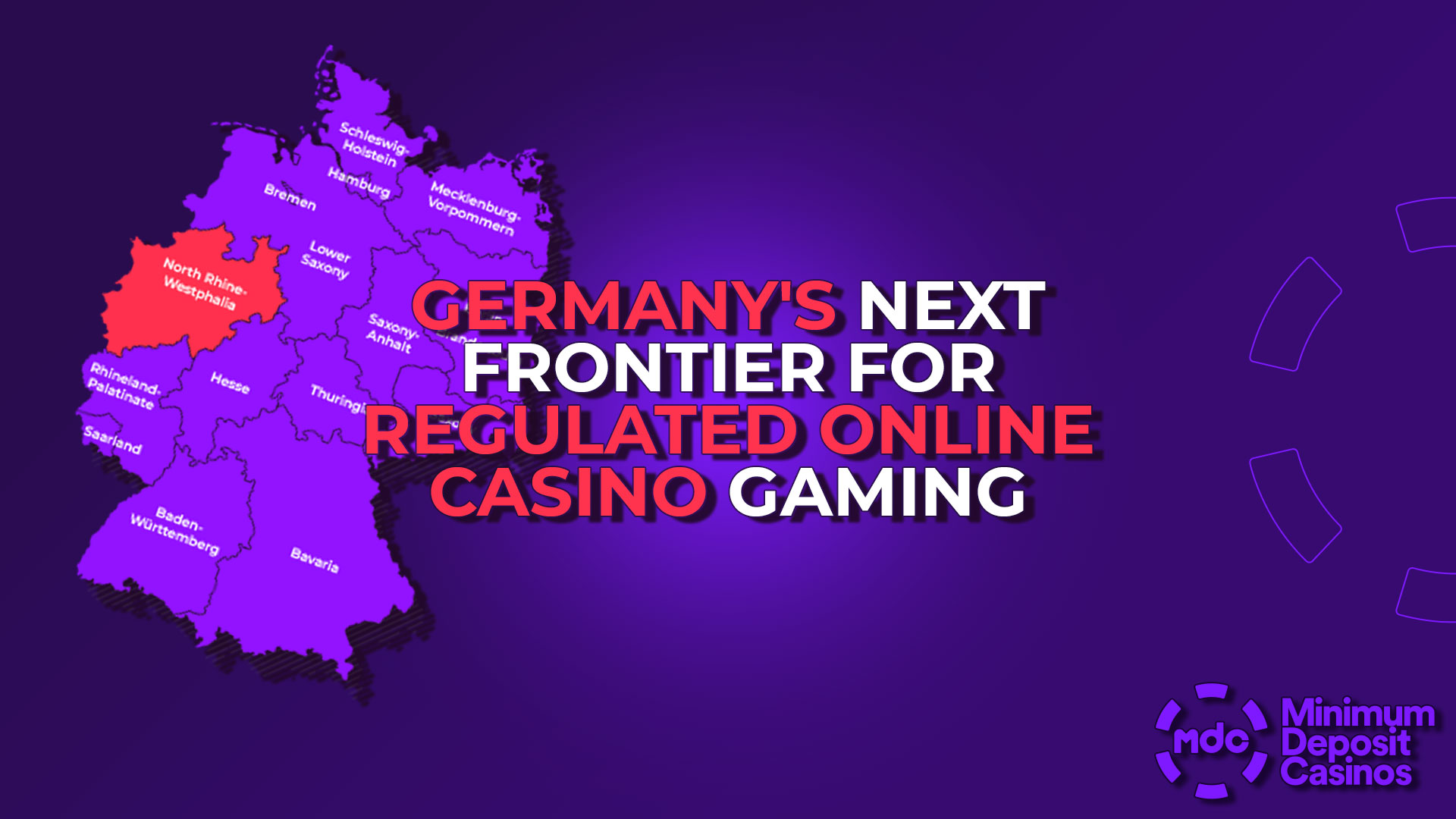


North Rhine-Westphalia: Germany’s Next Frontier for Regulated Online Casino Gaming
Germany’s digital gambling landscape is poised for its most consequential expansion since the enactment of the 2021 Interstate Treaty on Gambling (Glücksspielstaatsvertrag 2021, or GlüStV 2021). North Rhine-Westphalia (NRW), Germany’s most populous federal state with nearly 18 million residents, is officially moving forward with plans to regulate and license online table games. Under the new state framework, operators will soon be eligible to compete for up to five coveted concessions, bringing state-supervised, real-money online roulette, blackjack, and live-dealer experiences to players across the region.
For years, online casinos in Germany have operated under stringent federal guidelines that separated virtual slot machines from traditional banker-style casino games. While nationwide licenses for virtual slots have been systematically issued by the Joint Gambling Authority of the Federal States (GGL), operators running legal online casinos in Germany were strictly limited in offering live table games were left to the discretion of individual federal states. NRW’s decisive move to open up commercial concessions marks a transformative milestone that will reshape the domestic iGaming ecosystem, curtail the reliance on unregulated offshore portals, and establish a secure, transparent environment for players seeking high-quality live casino entertainment.
A New Era for Online Casino Gaming in North Rhine-Westphalia
The core of NRW’s progressive initiative lies in its decision to grant up to five official licenses to commercial operators. This decision positions the state as a trailblazer among Germany’s federal jurisdictions, particularly because it embraces a competitive licensing model rather than a closed state monopoly.
For players in North Rhine-Westphalia, the most impactful element of this legislation is the arrival of fully regulated live-dealer table games. Under the forthcoming concession framework, licensed operators will be authorized to stream live roulette, blackjack, and baccarat directly from state-of-the-art broadcast studios. These live-dealer setups bridge the gap between traditional land-based casino authenticity and modern digital accessibility.
Key highlights of what licensed live-dealer gaming in NRW will deliver include:
- Professional Croupiers: Native German-speaking dealers trained in accordance with strict terrestrial casino standards, managing games in real-time.
- High-Definition Streaming: Multi-camera studio environments offering complete transparency of every card dealt, wheel spun, and bet placed.
- Robust Technical Integrity: Fully certified optical character recognition (OCR) technology and physical gaming apparatus audited by independent testing agencies.
- Player Protection Protocols: Direct integration with national safety mechanisms, ensuring that table limits, session tracking, and self-exclusion tools operate seamlessly.
By bringing classic casino games into the regulated sphere, NRW is ensuring that residents no longer have to navigate legal gray zones or turn to unlicensed international operators to enjoy a hand of blackjack or a spin of the European roulette wheel.
The Legislative Journey and Licensing Framework
The path toward regulated table games in North Rhine-Westphalia has been defined by deliberate legislative craftsmanship. When the GlüStV 2021 came into force on July 1, 2021, Section 22c granted each of Germany’s 16 federal states two options regarding online casino table games (defined legally as Bankhalterspiele):
- Implement a state-run monopoly through existing lottery corporations or state-owned casinos; or
- Award a limited number of concessions to private operators, capped at the number of land-based casino concessions permitted within the state.
The state parliament of North Rhine-Westphalia (Landtag Nordrhein-Westfalen) chose the competitive concession route. Because NRW law permits up to five brick-and-mortar casino locations—historically operated under the Merkur Spielbanken NRW umbrella following their privatization—the state established the legal right to award up to five digital licenses for online table games.
Rigorous Operator Criteria and Oversight
The licensing procedure designed by NRW’s Ministry of the Interior is among the most demanding in Europe. Prospective licensees will undergo comprehensive vetting before a single live stream can go live. Key prerequisites include:
- Proven Financial Stability and Reliability: Applicants must demonstrate robust liquidity reserves, transparent ownership structures, and clean corporate track records.
- OASIS Database Integration: Mandatory real-time connection to Germany’s central player-blocking system (OASIS), ensuring that self-excluded individuals are instantly barred from participating.
- LUGAS Cross-Operator Monitoring: Full technical compliance with the LUGAS supervision system to manage nationwide deposit limits (typically set at a baseline of €1,000 per month across all legal platforms) and prevent concurrent multi-tabling across multiple websites.
- Stringent Anti-Money Laundering (AML) Compliance: Automated Know-Your-Customer (KYC) verification protocols to authenticate player identity, age, and source of funds prior to permitting real-money wagers.
- Fair Gaming and Return-to-Player (RTP) Transparency: Complete audits of gaming software, ensuring house edges and payout percentages strictly adhere to statutory requirements.
This comprehensive framework guarantees that NRW’s five authorized operators will set a new benchmark for German online casinos, offering a level of consumer security that uncertified platforms targeting players in Germany’s online gambling market cannot match.
Drawing Parallels with Bavaria’s Regulated Market
While North Rhine-Westphalia is leading the way in competitive commercial licensing, it is not the first German state to introduce legal online table games. The Free State of Bavaria (Bayern) established a key precedent by rolling out its own regulated online casino offering through the state-owned Staatliche Lotterie- und Spielbankverwaltung (Spielbanken Bayern).
Bavaria elected to pursue the monopoly approach. Following regulatory authorization overseen by the Bavarian Ministry of the Interior in alignment with the GGL, Spielbanken Bayern launched live-streamed roulette and blackjack directly to Bavarian players. The Bavarian experience demonstrated clear market trends that NRW officials and prospective operators have closely analyzed:
- High Consumer Adoption: Bavarian players showed an immediate appetite for domestic, state-supervised live games over unregulated international alternatives.
- Operational Viability of Live Streaming: Spielbanken Bayern proved that high-definition streaming, secure data transmissions, and strict adherence to German player-protection standards could co-exist smoothly in real-time gaming environments.
- Enhanced Market Channelisation: Regulated table gaming immediately reduced consumer traffic heading toward black-market operators lacking German consumer safeguards.
While Bavaria’s monopoly model centralized operations under a single state-run brand, NRW’s approach introduces healthy market competition. By allowing up to five separate operators to tender for licenses, North Rhine-Westphalia will foster product innovation, superior customer service, diversified game portfolios, and competitive promotions—all within the guardrails of strict state oversight.
Strengthening Regulation and Countering the Black Market
The legalization of online table games in North Rhine-Westphalia addresses one of the most persistent challenges facing the German gambling market: the fight against unauthorized offshore operators.
When the GlüStV 2021 initially rolled out, nationwide licenses were limited to virtual slot machines (which carried strict €1 maximum bet limits per spin, a five-second spin duration rule, and the complete prohibition of progressive jackpots and autospins). Table games like blackjack, roulette, and baccarat were absent from the nationwide licensing roster pending state-by-state action. This regulatory void created a significant channelisation problem. German players seeking traditional casino table games continued to visit unregulated international platforms operating out of offshore jurisdictions such as Curaçao, Costa Rica, or non-EU territories.
NRW’s tender process directly remedies this structural imbalance. By establishing legal, high-caliber live-dealer games within the borders of Germany’s most lucrative gaming market, the state provides an attractive, secure alternative that actively channels players back into the legal economy.
The Fight Against Unregulated Operators
Unregulated gambling sites represent substantial risks to consumers. Operating outside the remit of German and European authorities, black-market operators often exhibit systemic consumer vulnerabilities, including:
- No obligation to link with the OASIS self-exclusion database, leaving vulnerable or problem gamblers unprotected.
- Opaque or manipulated Random Number Generators (RNGs) without third-party auditing from organizations like eCOGRA or iTech Labs.
- Absence of formal dispute resolution mechanisms, leaving players with no legal recourse if withdrawals are arbitrarily denied or delayed.
- Predatory bonus terms and hidden rollover requirements that obscure real wagering obligations.
- Inadequate data security and handling of sensitive financial information.
Conversely, the arrival of NRW-licensed platforms provides absolute regulatory certainty for players seeking regulated German online casinos. When players wager at an operator licensed in North Rhine-Westphalia, they benefit from segregated player fund accounts, certified financial gateways, ironclad data encryption, and direct state recourse in the event of operational disputes. This structural trust is the most potent weapon in neutralizing the appeal of black-market platforms.
The Road Ahead: Tender Process and Market Impact
The impending launch of the tender process for NRW’s five online casino concessions will be one of the most closely watched commercial events in European iGaming. The stakes are immense; capturing a licensed share of Germany’s largest state economy offers unparalleled long-term value.
Expected Contenders in the Tender Process
The competitive landscape for the five concessions is expected to feature a mix of domestic heavyweights and top-tier international operators:
- Domestic Land-Based Operators: Traditional German casino groups with existing infrastructure and recognized brand equity inside NRW are primary contenders. Their established terrestrial presence provides a natural bridge to omnichannel gaming experiences.
- International Tier-1 iGaming Brands: Publicly traded European operators already holding German virtual slot licenses from the GGL will likely bid aggressively to round out their product portfolios with live-dealer table games.
- Strategic Joint Ventures: Collaborations between specialized live-studio providers and established German media or sports betting enterprises looking to secure an immediate, legally compliant foothold.
The tender evaluation will focus on technical robustness, IT security architecture, detailed player protection strategies, financial solvency, and the quality of proposed live studio facilities. Operators capable of demonstrating seamless integration with LUGAS and OASIS while delivering top-tier user experiences will hold a distinct advantage.
What to Expect as the Licenses are Awarded
Once the licensing authority concludes the tender evaluation and issues the five concessions, the German online gambling landscape will enter a new phase of maturity. Players and industry stakeholders can anticipate several transformative developments:
- Expanded Gaming Portfolios: Players in NRW will gain legal access to classic European Roulette, American Roulette, Single-Deck and Multi-Hand Blackjack, and various live-streamed casino poker variations.
- Tailored Minimum Deposit Limits: Regulated platforms will introduce accessible deposit thresholds, catering to casual players seeking low-stakes enjoyment under safe conditions without high financial barriers.
- Significant Tax Revenues: Regulated gaming activities will generate substantial state tax yields, redirecting millions of euros from unregulated offshore channels back into public infrastructure, education, and municipal projects within North Rhine-Westphalia.
- A Blueprint for Other Federal States: NRW’s successful execution of the concession model will likely serve as a catalyst for other German states—such as Hesse, Lower Saxony, and Baden-Württemberg—to accelerate their own table game licensing frameworks rather than maintaining restrictive monopolies or administrative delays.
North Rhine-Westphalia’s move to license up to five online casino operators represents a decisive victory for regulatory clarity, consumer safety, and market sustainability. By pairing rigorous state oversight with the dynamic engagement of live-dealer casino games, NRW is setting a progressive benchmark for the future of legal iGaming across Germany.
More German Online Casino News