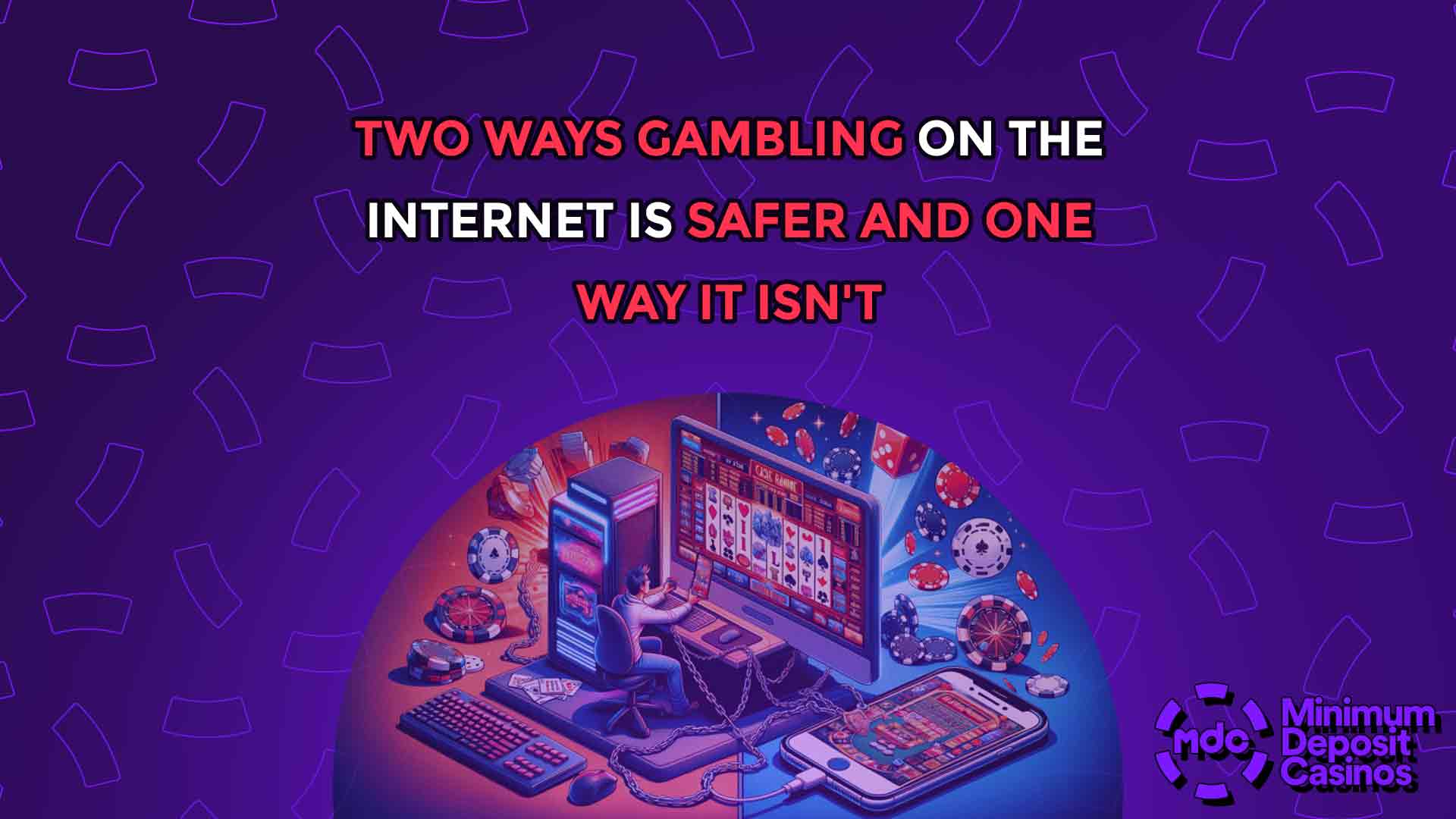

Two Ways Gambling on the Internet Is Safer and One Way It Isn’t
The global gambling landscape has undergone a monumental transformation. Once confined to physical venues, gambling has seamlessly migrated to the digital realm, now accessible to millions globally via smartphones, tablets, and computers. Today, millions of players worldwide place wagers on slot machines, poker tournaments, and live dealer blackjack tables through their smartphones, tablets, and personal computers. However, as the digital betting market has expanded into a multi-billion-dollar global enterprise, debates surrounding its safety have grown increasingly nuanced.
For years, traditionalists argued that internet-based wagering was an unregulated Wild West rife with digital hazards. Yet, rapid advancements in cybersecurity, stringent oversight from international regulatory authorities, and deliberate product architecture have made modern online casinos remarkably secure. In many ways, regulated online gambling offers levels of personal and financial security that physical venues simply cannot match. At the same time, the web’s borderless nature introduces unique vulnerabilities that can trap unwary bettors. Understanding the balance between strong modern protections, the psychological comfort of private play, and the constant threat of black-market rogue websites is essential for anyone navigating today’s iGaming landscape.
User Protections on Regulated and Licensed Platforms
The main reason online gambling is now much safer than its reputation suggests is the strict web of user protections mandated by world-class regulatory bodies. In established iGaming jurisdictions, a platform cannot simply launch and accept real-money deposits without clearing an exhaustive gauntlet of technical, legal, and operational audits. Licensing authorities—such as the Malta Gaming Authority (MGA), the UK Gambling Commission (UKGC), the Gibraltar Regulatory Authority, and various state and national bodies worldwide—enforce standards designed to safeguard consumer interests at every touchpoint.
One foundational pillar of these protections is technical security. When a player registers and deposits funds on a legitimate, licensed online casino, their financial and personal details are shielded by cutting-edge data encryption protocols. SSL/TLS encryption converts sensitive transmissions into unreadable ciphertext, preventing unauthorized third parties from intercepting payment card data or personal credentials. Regulated operators are also legally required to maintain segregated bank accounts. This standard ensures that player balances are held completely separate from operational company funds, protecting user bankrolls in the unlikely event of corporate insolvency or restructuring.
Equally critical to consumer safety is the guarantee of game integrity and fair play. Online, regulated platforms must submit their games and underlying Random Number Generators (RNGs) to independent, accredited testing laboratories such as eCOGRA, iTech Labs, BMM Testlabs, or Gaming Laboratories International (GLI). These organisations verify that game outcomes are completely unpredictable, tamper-proof, and mathematically aligned with the advertised Return to Player (RTP) figures. Any attempt by an operator to alter pay tables or manipulate outcomes results in immediate license revocation, catastrophic financial penalties, and potential criminal liability.
Finally, regulated online platforms offer an expansive suite of built-in responsible gambling mechanisms that empower users to control their behavior systematically. Reputable operators integrate automated limiters directly into user account dashboards, including:
- Deposit and Loss Limits: Players can set daily, weekly, or monthly caps on how much real money they can deposit or lose over a set period. Once reached, the software mechanically blocks additional funding.
- Wager and Session Controls: Users can limit the total capital staked over specific timeframes or enforce automated reality checks—pop-up alerts that notify the bettor how long they have been active and prompt an optional or mandatory session pause.
- Time-Outs and Self-Exclusion: Players can initiate temporary cooling-off freezes or multi-year self-exclusion. In jurisdictions with unified registries (e.g., GAMSTOP), self-exclusion from one platform often extends to all other regulated operators in that territory.
These automated, rule-based safeguards create an institutional safety net that far exceeds the manual interventions feasible in traditional gambling environments, fundamentally altering the safety equation in favor of digital players.
The Secure Haven: Gambling from Your Own Space
The second major way online gambling proves safer than its land-based predecessor concerns the physical environment where wagering occurs. Brick-and-mortar casinos are masterclasses in sensory engineering. From the moment a patron walks through the doors of a major gaming venue, almost every architectural detail is calculated to lower inhibitions, distort temporal awareness, and encourage uninterrupted, impulsive expenditure.
Eliminating Environmental and Sensory Manipulation
Physical casinos famously operate without clocks or windows, keeping patrons entirely disoriented regarding the passage of time. They employ deliberately labyrinthine layouts designed to guide foot traffic past rows of flashing slot machines and bustling tables, alongside ambient soundscapes tuned to specific musical frequencies that elevate dopamine and promote sustained play. In sharp contrast, playing online lets people wager from the privacy, comfort, and safety of their homes.
At home, a player retains absolute control over their surroundings. Players can check the time, glance out a window, pause a game, or step away as needed. No flashing lights or floor managers are designed to alter mood or encourage prolonged play. This physical separation dramatically reduces impulsive behavior and preserves a player’s capacity for deliberate, rational decision-making.
Eliminating External Social Pressures and Predatory Inducements
Beyond environmental architecture, traditional casinos rely heavily on predatory social inducements that compromise player judgment. Foremost among these is complimentary alcohol. “Comped” drinks are not an act of generous hospitality; they are a calculated business strategy designed to impair executive function, dull risk perception, and expedite bankroll depletion. When you bet on your own device, no waitresses routinely refill your glass with free high-proof spirits.
Furthermore, land-based gaming floors frequently involve high-pressure social dynamics that can lead to poor choices:
- Table Peer Pressure: In games like blackjack or craps, peer pressure can force players to act against their better judgment or intended pace.
- Intimidating Floor Staff: Fast-dealing croupiers, watchful pit bosses, and aggressive table maximums can intimidate casual players into rushed wagers.
- Unsavory Elements and Scams: Large physical venues inevitably attract predatory actors, including pickpockets, card-counting hustlers, loan sharks, and opportunists targeting vulnerable or inebriated patrons.
By playing iGaming platforms from home, a bettor bypasses these external hazards. You are not forced to make split-second decisions under the glare of impatient strangers, nor do you risk your personal physical safety walking out to a parking garage late at night carrying thousands of dollars in cash payouts. Online winnings are credited directly and discreetly to secure e-wallets, bank accounts, or designated payment methods, eliminating the risk of physical assault or opportunistic theft.
The Digital Frontier’s Pitfalls: Unregulated and Dodgy Sites
While licensed iGaming and home play offer profound safety advantages, the internet’s decentralized architecture exposes players to one massive, ever-present danger: the proliferation of predatory, unregulated, and outright fraudulent online gambling websites.
The internet’s vastness makes exhaustive policing impossible. Alongside legitimate, licensed operators, thousands of black-market operations exist, often in rogue jurisdictions with zero accountability. These unscrupulous sites mimic reputable brands, often with fabricated licensing seals and counterfeit games.
Engaging with an unregulated platform strips away every single safety advantage modern iGaming provides. The hazards associated with these dodgy sites are severe and multifaceted:
- Pirated and Rigged Software: Unlicensed sites often host cloned versions of popular slots and table games running on private servers. Unlike authenticated games tested by independent labs, these counterfeit titles have altered source code. Operators can manipulate the mathematical return at will, ensuring that players have a near-zero probability of winning over any sustained period.
- Outright Non-Payment of Winnings: The most common tactic of predatory operators is deposit absorption combined with withdrawal obstruction. When a player tries to cash out legitimate winnings, the platform uses endless stalling tactics—inventing phantom verification requirements, citing arbitrary clauses buried in obscure terms and conditions, charging exorbitant hidden processing fees, or simply deleting the user’s account without explanation.
- Data Breaches and Identity Theft: Rogue operators have no incentive to invest in bank-grade encryption or follow international data-privacy standards like GDPR. Sensitive documents uploaded for identity verification (such as copies of passports, driver’s licenses, and utility bills) can easily be sold on illicit dark-web marketplaces or harvested for identity fraud.
- Complete Absence of Legal Recourse: If a licensed casino in a regulated jurisdiction breaches its terms, players can escalate disputes to independent arbitration services (such as IBAS or eCOGRA) or appeal directly to the government regulator. If a bettor is cheated by an anonymous shell company operating out of an uncooperative offshore haven, their funds are permanently lost, with no regulatory authority or ombudsman available to intervene.
This persistent threat highlights that the safety of online gambling is entirely contingent upon the specific platform a player chooses.
Risk and Responsibility in Online Gambling
The shift to online gambling has delivered remarkable strides in player security, transforming betting into an activity governed by cryptographic software and sovereign regulatory oversight. On licensed platforms, players benefit from bank-grade encryption, rigorous game-fairness certifications, and comprehensive responsible gambling suites that provide unprecedented control over leisure spending. Furthermore, playing from the tranquil confines of one’s own home insulates bettors from the calculated distractions, free alcohol, and peer pressure native to land-based casino floors.
However, these benefits disappear if a player steps onto the wrong side of the digital frontier. Rogue, unregulated gambling portals make personal diligence the ultimate determinant of a safe experience. To ensure a safe experience, players must prioritize proactive verification: always inspect an operator’s active licensing, verify testing agency accreditations, and consult trusted industry reviews. Never risk personal data or funds on an unvetted platform. In the digital age, a safe gambling experience is well within reach—provided you choose where to play with deliberate discernment.
Latest Casino News